Lodhi Gardens In New Delhi Things You Must Know About Lodhi Gardens In New Delhi in 2025 TT
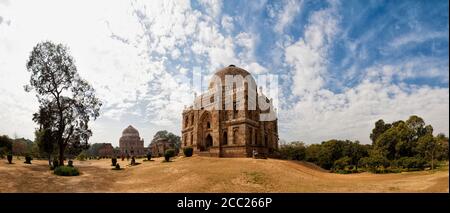
The Friday mosque arches are embellished with intricate Arabic inscriptions. The Bara Gumbad was, perhaps, a gateway to the mosque. lodi gardens It is flanked by a Friday mosque on one side & a मेहमान खाना (guesthouse) on the other. Out of all the domes in Delhi, this Gumbad is the earliest one. The Bara Gumbad is a 1490 construction when the Lodi dynasty ruled over Delhi. Trivia – The monuments were originally not a part of a complex.
📍 Lodhi Garden Location – How to Get There
The gardens are situated between Khan Market and Safdarjung's Tomb on Lodi Road and are a popular spot for morning walks for Delhiites. These monuments date from the late Delhi Sultanate, during the Sayyid dynasty (r. 1414–1451) and Lodi dynasty (r. 1451–1526). He had a library built just for that purpose to store records. They built many other buildings here during the rule of the Sayyids and Lodhis. It was made in 1517 by his son Ibrahim Lodi and is of great historical importance. Another important tomb in the area is Sikander Lodi from the Lodi Dynasty.
- Sikandar Lodhi constructed it, and it stands next to a mosque and a guest house.
- The architecture here shows a mix of work by Sayyidis and Lodhis and is the epitome of magnificent engineering that echoes of Delhi’s illustrious history.
- The turret is on one side of it, and the ruins of a late Mughal-era wall gateway and small mosque are on the other.
- 🌆✨ Spanning over 90 acres of lush greenery 🌳, this iconic park is more than just a garden—it’s a peaceful haven where centuries-old monuments stand tall amidst flowering trees, walking trails, and serene ponds.
- Future preservation efforts must address long-term challenges while ensuring that the monuments remain accessible and meaningful to contemporary visitors.
- Booking online means you can skip the lines and head straight into the gardens.
Landscape Design and Layout

Volunteer programs allow citizens to participate in the gardens' care and maintenance, fostering a sense of ownership and stewardship that supports long-term conservation. These activities demonstrate the gardens' role as a community resource that serves diverse needs and interests. Various community groups use the gardens for organized activities ranging from fitness classes to environmental education programs. These events bring additional life and energy to the gardens while showcasing their versatility as venues for community activities and cultural expression.
- It wasn’t until the British colonial era in the 20th century that efforts were made to restore and preserve the park’s historical monuments.
- There’s also a bamboo garden, bonsai park, butterfly zone, herbal garden, lotus and lily pond, and peacock hatchery inside.
- It has some distinctive features of its time – an octagonal plan, corner buttresses, decorative plaster finish, corbelled doorways and chhatris on the roof.
- The garden is equipped with more than one hundred species of trees and more than fifty species of rare birds and butterflies.
- Beyond its historical significance, Lodi Gardens serve as a vital green lung for the city of Delhi.
Tips For Visiting
These historical structures are surrounded by lush greenery, making the garden a perfect place to relax while soaking in Delhi’s rich heritage. It is not just a park; it’s a combination of history, nature, and tranquility. Known for its lush green lawns, ancient tombs, and scenic walking paths, it’s a favorite spot for locals and tourists alike. Its rich historical background, scenic beauty, and strategic location make it a must-visit destination in New Delhi. The gardens have basic facilities like public restrooms and drinking water fountains.
Book Delhi Tour Packages
The garden was named Lady Willingdon Park before Indian independence and was later renamed as the Lodhi Gardens. In the same year, Lutyens’ came up with the design for the garden and the villagers were relocated for the same. Visit the garden early in the morning or late in the evening to avoid the crowd.
Of particular interest are its octagonal domes with finely made exquisite carvings, as well as its arches. It stands as proof that with careful planning, thoughtful design, and community commitment, we can create urban spaces that honor history, support biodiversity, and provide joy to all who enter. Whether you're a Delhi resident seeking daily respite from urban stress or a visitor wanting to experience the city's gentler side, Lodhi Gardens offers an experience that refreshes perspective and renews hope. In a city where development pressure is constant and air quality is a persistent concern, this garden paradise provides not just recreation but essential ecosystem services that support urban sustainability. The successful integration of 15th-century monuments with 21st-century recreational needs shows that heritage conservation and contemporary life can enhance rather than compete with each other.