Discover how pets and rehab work together to improve emotional and physical healing for individuals in recovery. By adopting a plant-based diet, individuals can also benefit from the various nutrients and antioxidants found in plant foods. These nutrients help support overall health, boost the immune system, and aid in the recovery process.
Get Help With An Alcohol Addiction And Learn Healthy New Ways To Live
These days, there are plenty of mocktail recipes and nonalcoholic drinks meant to replicate your favorite boozy beverages. Try drinking them out of your favorite cocktail glass for a more similar experience. Saying no to cocktails with friends and red wine with dinner are obvious and foreseen challenges, but battling a sudden new sugar craving may be less expected. These alternatives provide a touch of sweetness without the added refined sugars found in many processed snacks.
Family Support FAQs for Addiction Recovery: A Warm, Stylish Guide for Loved Ones Who Want to Help
- Discover the role of creativity in building emotional resilience and enhance your well-being through self-expression.
- To mitigate these risks, recovering individuals should adopt a balanced diet that stabilizes blood sugar levels.
- Explore the mental health benefits of practicing kindness and how it transforms well-being and community connections.
- These neurobiological changes can contribute to the development of cravings for sugar in recovering alcoholics.
People with substance use disorders often experience intense cravings for sugar during their recovery journey. According to APN, the preference for sweet foods can be linked to addictive behaviors. There seems to be an underlying connection between these addictive behaviors and sugar intake, which can be traced back to how sugar affects the brain. Chronic alcohol consumption can have a significant impact on an individual’s metabolism, especially regarding blood sugar levels. Alcohol disrupts the body’s ability to regulate glucose, often leading to fluctuations that can trigger cravings for sugar.
Sugar and The Brain’s Reward System
Studies have identified common genetic markers between alcohol dependence, bulimia, and obesity, such as the A1 allele gene and the dopamine 2 receptor gene 1. These genetic variations may contribute to an increased desire for sweet-tasting substances. For alcohol-dependent individuals, the presence of sugar cravings is a common phenomenon. This section will explore the sweet preference often observed in alcohol-dependent individuals and the neurobiological pathways that contribute to sugar addiction.

Additionally, the addictive nature of sugar itself can contribute to cravings, especially in individuals with AUD. Emotional eating and coping mechanisms play a significant role in the development of sugar cravings in individuals with AUD. When individuals stop consuming alcohol, they may seek alternative ways to soothe themselves, leading to an increased desire for sugary foods as a form of comfort. Many individuals with AUD experience intense cravings for sugary foods and beverages, particularly during and after alcohol withdrawal. These cravings can be attributed to a combination of psychological and physiological factors.

If you find that your sugar cravings are frequent, intense, or hard to manage despite lifestyle changes, it’s worth speaking with your GP. https://ecosoberhouse.com/ A simple blood test can quickly identify any deficiencies, and supplements or dietary adjustments can be made accordingly. Alcohol withdrawal has a profound effect on both the body and the mind, which can manifest in increased sugar cravings.
They exhibit decreased quantities of Akkermansia and increased Bacteroides, impacting the diversity and composition of the microbiome 7. Remember, seeking support is not a sign of weakness but rather a courageous step towards a healthier and happier life. Research has shown a strong correlation between the preference for sweet tastes in men and the preference for sweets in their twin brothers, suggesting a genetic link in this preference. This genetic predisposition to prefer sweetness is believed to be linked to the urge to consume alcohol. If you experience withdrawal symptoms, do alcoholics crave sugar like anxiety, agitation, sweating, or hallucinations, it’s best to talk to a healthcare provider, according to the American Addiction Centers.
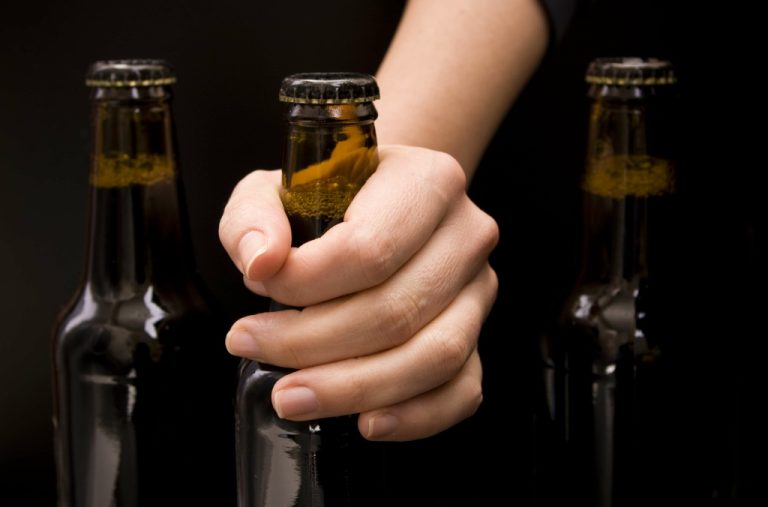
Dietary Considerations in Recovery
- Cravings for alcohol are complex phenomena, deeply rooted in the brain’s biochemistry and influenced by various factors, including dopamine levels and various neurobiological mechanisms.
- Manipulations affecting glucose regulation may influence alcohol consumption behaviors, leading to an increased craving for sugar.
- Studies have documented craving, tolerance, withdrawal, and sensitization in both human and animal models of sugar addiction and drug dependence.
- Alcohol can make you feel calm, relaxed and even euphoric, which can keep you reaching back for glass after glass.
- Many factors can contribute to the development of alcoholism, including genetic predisposition, environmental influences and personal experiences.
Addiction treatment needs to account for such hardships and can often tackle them effectively. Alcohol and sugar share similar neurological effects, particularly in relation to the activation of opioid and dopamine receptors in the brain. Research has shown that heroin addiction the consumption of both alcohol and sugar can stimulate these receptors, leading to a reward response 2. When delving deeper into the question, «why do alcoholics crave sugar?», it is important to consider the broader context of substance addiction and how sugar plays a role in it.