The U.S. ranks fifth in countries with the highest rate of alcohol use disorder behind Latvia, Belarus, Russia and Hungary. King wants to know why some people have more reward-based experiences and other people have negative consequences such as addiction or depression. https://boxalbums.com/alternative-rock/787741-mr.-bungle-california.html He recently received the Sharon Manne Graduate Student Research Award, given each semester to provide funding for personal research projects that address important and timely mental and physical health issues. If you think you may have alcohol use disorder, you’re not alone. Realizing you may have an issue is the first step toward getting better, so don’t hesitate to talk to a healthcare provider.
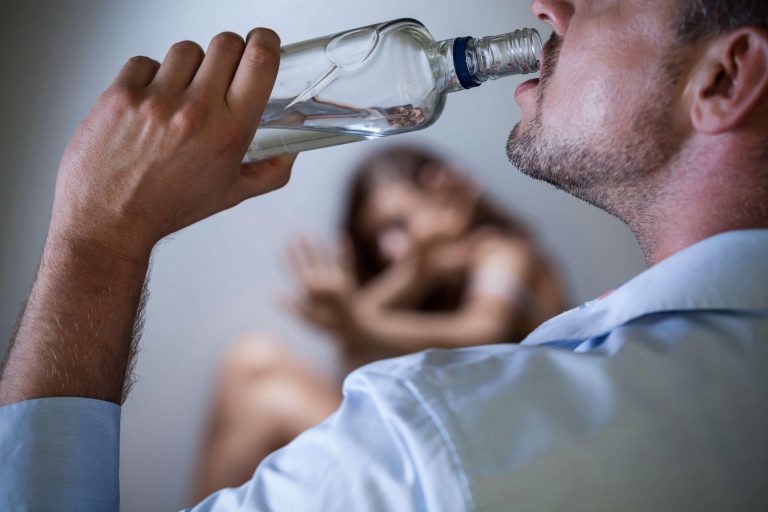
What are the symptoms of alcoholism?
Treatment centers should ideally have rigorous and reliable screening for substance use disorders and related conditions. They should have an integrated treatment approach that addresses other mental http://wellingtoncountylistings.com/bedroom-ideas-as-the-private-room.html/attachment/160 and physical health conditions. They should emphasize linking different phases of care, such as connecting patients to mental health professionals, housing, and peer support groups when transitioning out of the acute phase of care. They should also have proactive strategies to avoid dropping out, involve the family in treatment, employ qualified and certified staff, and be accredited by an external regulatory organization. One recent analysis found a sobering relationship between alcohol and health.
- Or a doctor could prescribe drugs to assist with other emotions common in recovery.
- The sober-curious and Dry January movements buoy the 41% of Americans who planned to drink less in 2024 to improve their mental, financial and physical health, as reported by marketing data firm NCSolutions.
- Depending on the severity of the alcohol use disorder, this stage can be mildly annoying or severe.
- If you’re concerned about someone who drinks too much, ask a professional experienced in alcohol treatment for advice on how to approach that person.
Graduate School of Addiction Studies
For me, the habitual, mindless sipping gave way to a profound presence in each moment, with every sip of life savored. I traded throwing up by the sidewalk with actual adventures into the woods and exchanged next-day hangovers with morning jogs at the crack of dawn. The bar may be different, and occasionally, I may throw in a dinner date. But the drills were the same—drink, more drinks, then fuzzy memory and conversations I can’t remember. On a really «special» day, there might be some vomit next to the sidewalk. This new research involved two independent laboratory experiments, one with 543 participants and the other with 327 participants, all of whom reported consuming 3-4 alcoholic beverages per occasion at least once a month.
What are treatments for alcohol use disorder?
The most severe form of alcohol withdrawal is delirium tremens (DTs), characterized by altered mental status and severe autonomic hyperactivity that may lead to cardiovascular collapse. Only about 5 percent of patients with alcohol withdrawal progress to DTs, but about 5 percent of these patients die. At this point, it’s obvious to those close to you that you’re struggling.
Special Editions
In 2021, the online site 24/7 Wall St. compiled a report on “The 50 Drunkest Counties in America.” Wisconsin, where I grew up, claimed 41 of the spots on that survey. My home county of Manitowoc claims an excessive-drinking rate of 28.4% of the population, the 10th highest in the U.S. When my dad was 32, he killed someone while driving drunk back to his own tavern.
- Theories suggest that for certain people drinking has a different and stronger impact that can lead to alcohol use disorder.
- A strong support system is helpful for making a complete recovery.
- The affects can range from dementia and intellectual functioning to debilitating conditions that require long-term care, even if a person has been sober for a period of time.
- Before her, seven people in our extended family, including her father, my father and our grandfather, died from alcohol-related problems.
- Before it becomes problematic, why do people turn to alcohol in the first place?
- Severity is based on the number of criteria a person meets based on their symptoms—mild (2–3 criteria), moderate (4–5 criteria), or severe (6 or more criteria).
Furthermore, the greater the abuse or neglect https://kinozavr.com/2008/09/22/3.htm experienced, the more severe their drinking problem was. Therapy can help people who suffered as a child to address those challenges and develop healthier coping skills. Mild is classified as 2 to 3 symptoms, moderate is classified as 4 to 5 symptoms, and severe is classified as 6 or more symptoms, according to the DSM-5.