
Artificial Intelligence (AI) has become a transformative force in various industries, but perhaps none so prominently as in finance. Particularly in the Forex market, AI trading is revolutionizing how traders approach currency exchange. From analyzing vast datasets to predicting market trends, AI plays a pivotal role in enhancing trading strategies. For those interested in the integration of cutting-edge technology in trading, ai trading forex minereum.com provides an insightful platform.
Forex trading is the act of buying and selling currencies on the foreign exchange market with the aim of making a profit. The market operates 24 hours a day, making it highly volatile and reactive to global events. Traditionally, Forex trading relies heavily on technical and fundamental analysis, which can be time-consuming and subjective. However, AI trading changes the game by providing traders with advanced algorithms that can analyze data much faster and more accurately.
Understanding AI Trading in Forex
AI trading in Forex refers to the use of algorithms and machine learning techniques to automate trading decisions. These systems are designed to place trades on behalf of the user based on pre-set criteria and market analysis. Machine learning algorithms can learn from historical market data and gradually improve their predictive capabilities over time.
Advantages of AI Trading in Forex
One of the main advantages of utilizing AI in Forex trading is the speed of execution. While human traders can analyze data quickly, AI systems can process thousands of trades within seconds. This rapid analysis enables traders to capitalize on fleeting market opportunities that might be missed by manual trading.
Another significant benefit is the objectivity provided by AI systems. Humans are prone to emotional decision-making, especially during volatile market conditions. In contrast, AI operates solely based on data and predefined algorithms, eliminating emotional biases and reducing the impact of fear and greed on trading decisions.
Additionally, AI systems can analyze multiple variables and vast amounts of historical data that would be impractical for a human trader. By identifying patterns and trends in the data, AI tools can make informed predictions on currency movements, enabling traders to make strategic decisions backed by solid analytics.
Strategies Employed by AI in Forex Trading
AI trading systems utilize several strategies to enhance performance in the Forex market. Some of the most common include:
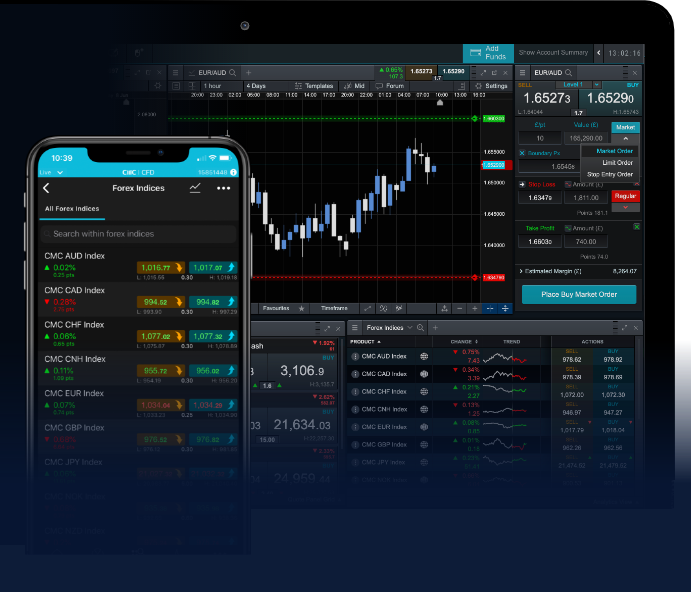
- Algorithmic Trading: This involves using algorithms to execute trades based on predefined criteria, including price, timing, or volume.
- Sentiment Analysis: AI tools can gauge market sentiment by analyzing news articles, social media, and other online content to predict market movements.
- Time Series Forecasting: Through machine learning techniques, AI can forecast future price movements based on historical price data.
- High-Frequency Trading (HFT): AI algorithms can execute a large volume of orders at extremely high speeds, capitalizing on minute differences in price.
The Role of Big Data in AI Trading
The effectiveness of AI trading largely depends on the quality and volume of data available. In the Forex market, big data encompasses everything from historical pricing data, economic indicators, geopolitical events, and even social media sentiment. The more data an AI system can access, the better it can analyze trends and predictions.
By harnessing the power of big data, AI systems can refine their models, leading to more accurate predictions. Moreover, with the advent of cloud computing and enhanced data storage solutions, it is now easier than ever to gather and analyze large datasets in real-time.
The Future of AI Trading in Forex
As technology continues to advance, the future of AI trading in Forex looks promising. We can expect more sophisticated algorithms capable of adapting to changing market conditions and integrating various forms of data analysis. Additionally, the rise of decentralized finance (DeFi) could offer new opportunities for AI trading systems to operate in a more transparent and efficient environment.
However, challenges remain. Regulation is one of the main concerns in the realm of AI trading. The rapid development of AI technologies must be met with appropriate regulatory frameworks to prevent market manipulation and other unethical practices. Moreover, there is an ongoing debate about the ethical implications of automating trading, particularly regarding job displacement in the financial sector.
Conclusion
AI trading represents a transformative shift in how Forex trading is approached. By leveraging the capabilities of advanced algorithms and machine learning, traders can enhance their strategies, increase efficiency, and ultimately improve profitability. As the technology evolves, so too will the strategies employed by traders, prompting a new era in financial markets. While challenges exist, embracing AI technology seems essential for those looking to remain competitive in the fast-paced world of Forex trading.
As we move forward, continuous learning and adaptation will keep traders ahead of the curve, enabling them to harness the full potential of AI trading in Forex