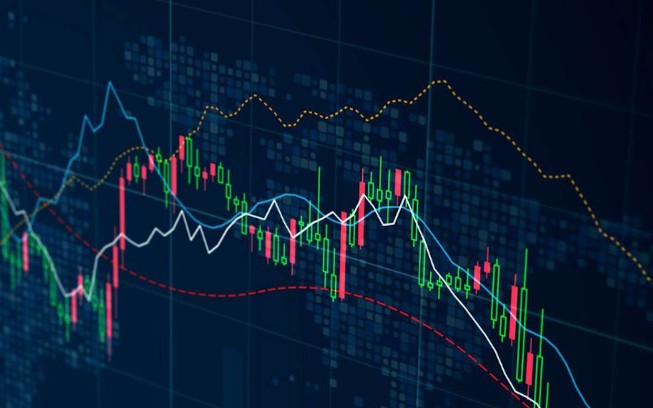
Forex algorithmic trading represents a significant advancement in the world of finance, where technology and trading principles converge to create automated strategies that operate with unparalleled efficiency. As traders seek to capitalize on the volatility of the foreign exchange markets, many are turning to algorithmic approaches to enhance their performance. In this article, we delve into what makes forex algorithmic trading a vital tool for modern traders and how platforms like forex algorithmic trading Trading Asia can support this journey.
Understanding Algorithmic Trading in Forex
Algorithmic trading refers to the use of computer algorithms to execute trading orders with minimal human intervention. These algorithms analyze vast amounts of data, execute trades at high speeds, and follow predefined criteria that help traders make decisions based on real-time market conditions. In forex, algorithmic trading can be used to monitor currency pairs, analyze historical price patterns, and identify potential trading opportunities, all while mitigating risks associated with human emotions and errors.
The Advantages of Algorithmic Trading in Forex
The primary advantages of algorithmic trading include:
- Speed: Algorithms can process information and execute trades in milliseconds, allowing traders to capitalize on fleeting market opportunities.
- Accuracy: Automated processes reduce the likelihood of errors that can occur with manual trading.
- Consistency: Algorithms adhere to trading rules without being swayed by emotional factors such as fear or greed.
- Diversification: Traders can simultaneously manage multiple portfolios and trade across various markets, maximizing their potential to identify profitable opportunities.

Components of Algorithmic Trading Systems
Developing a successful algorithmic trading system involves several key components:
- Trading Strategy: The foundation of any algorithmic trading system lies in a well-defined strategy based on historical data analysis, technical indicators, or fundamental analysis.
- Execution Platform: A robust trading platform is essential for executing trades accurately. Many traders leverage APIs provided by brokers to program their algorithms.
- Backtesting: Prior to live trading, strategies must be backtested using historical data to evaluate their performance and refine approach.
- Risk Management: Incorporating risk management features in the algorithm, such as stop-loss orders and position sizing, is crucial for protecting capital.
Popular Algorithmic Trading Strategies in Forex
Several strategies are widely used among forex traders who employ algorithmic approaches. Here are a few popular ones:
- Trend Following: This strategy capitalizes on existing market trends, buying currencies that are trending upward and selling those that are trending downward.
- Arbitrage: Traders exploit price discrepancies between different markets or instruments to achieve risk-free profits.
- Mean Reversion: This strategy operates on the idea that prices will revert to their historical average. Traders buy when prices fall below the average and sell when they exceed it.
- News-Based Trading: This approach reacts to news releases or economic indicators, using algorithms to enter or exit trades based on expected volatility.
Challenges of Algorithmic Forex Trading
While the benefits of algorithmic trading are compelling, there are challenges that traders must navigate:
- Market Risks: Rapid changes in market conditions can lead to significant losses if the algorithm does not adapt quickly enough.
- Over-Optimization: Traders can fall into the trap of overfitting their algorithms to historical data, leading to poor performance in live markets.
- Technological Failures: Reliance on technology brings risks of system malfunctions, network failures, or erroneous data inputs, which can adversely affect trading outcomes.
- Regulatory Issues: Traders must stay informed about the regulatory environment governing algorithmic trading to avoid compliance issues.
Getting Started with Algorithmic Forex Trading
For traders looking to embark on the path of algorithmic forex trading, the following steps are recommended:
- Learn the Basics: Understanding forex markets, basic trading concepts, and programming skills are essential foundations for algorithmic trading.
- Choose a Trading Platform: Select a trading platform that supports algorithmic trading and provides access to necessary tools and APIs.
- Develop a Trading Strategy: Create a trading strategy based on sound principles, backtesting it against historical data to gauge effectiveness.
- Start Small: When starting live trading, use a small account to minimize risk while gaining experience.
- Monitor and Adjust: Continuously monitor the performance of your algorithms and tweak them based on market feedback and changing conditions.
Conclusion
Algorithmic trading is transforming the forex landscape, offering traders sophisticated tools to enhance their trading performance. By leveraging technology and data analytics, traders can operate more efficiently and effectively than ever before. However, understanding the risks and challenges associated with this approach is paramount. Traders must educate themselves, test their strategies extensively, and remain adaptable in an ever-changing market environment. With the right resources and a commitment to continuous learning, the world of forex algorithmic trading holds great promise for those willing to embrace it.